Do You Need a 4x4 to Drive in Costa Rica?

It depends entirely on where you are going. A 4x4 in Costa Rica is essential for mountain towns and remote beaches reached by steep, unpaved roads, yet completely optional for the many destinations connected by paved highways. The honest answer is that plenty of visitors rent a standard car and never miss the extra clearance, while others regret booking a sedan the moment they hit a gravel climb.
This guide walks through exactly when four-wheel drive earns its keep, which destinations demand high clearance, how the rainy season shifts the math, and what the cost gap really looks like. By the end you will know which vehicle matches your trip.
When Is a 4x4 Essential Versus Optional in Costa Rica?
A 4x4 in Costa Rica is essential whenever your route includes long stretches of unpaved road, steep gravel grades, or river crossings. It is optional when you stick to the national highway network, which is paved and well traveled. The deciding factor is almost never the distance. It is the surface and the slope.
Costa Rica mixes modern toll roads with rough rural tracks, sometimes within the same afternoon of driving. Highways linking San Jose to major tourist hubs are smooth and signed. Branch off toward a mountain village or a surf town, and the pavement can end abruptly, replaced by rutted dirt, loose rock, and the occasional shallow river.
Here is a simple way to sort it:
- 4x4 essential: mountain towns, remote beaches, river crossings, steep dirt access roads
- 4x4 optional: paved highway routes, major beach towns on main roads, city driving
If you are weighing the overall decision against your budget, it helps to know where a bigger vehicle pays off and where it simply drains fuel money for no benefit.
Which Costa Rica Destinations Require High Clearance?
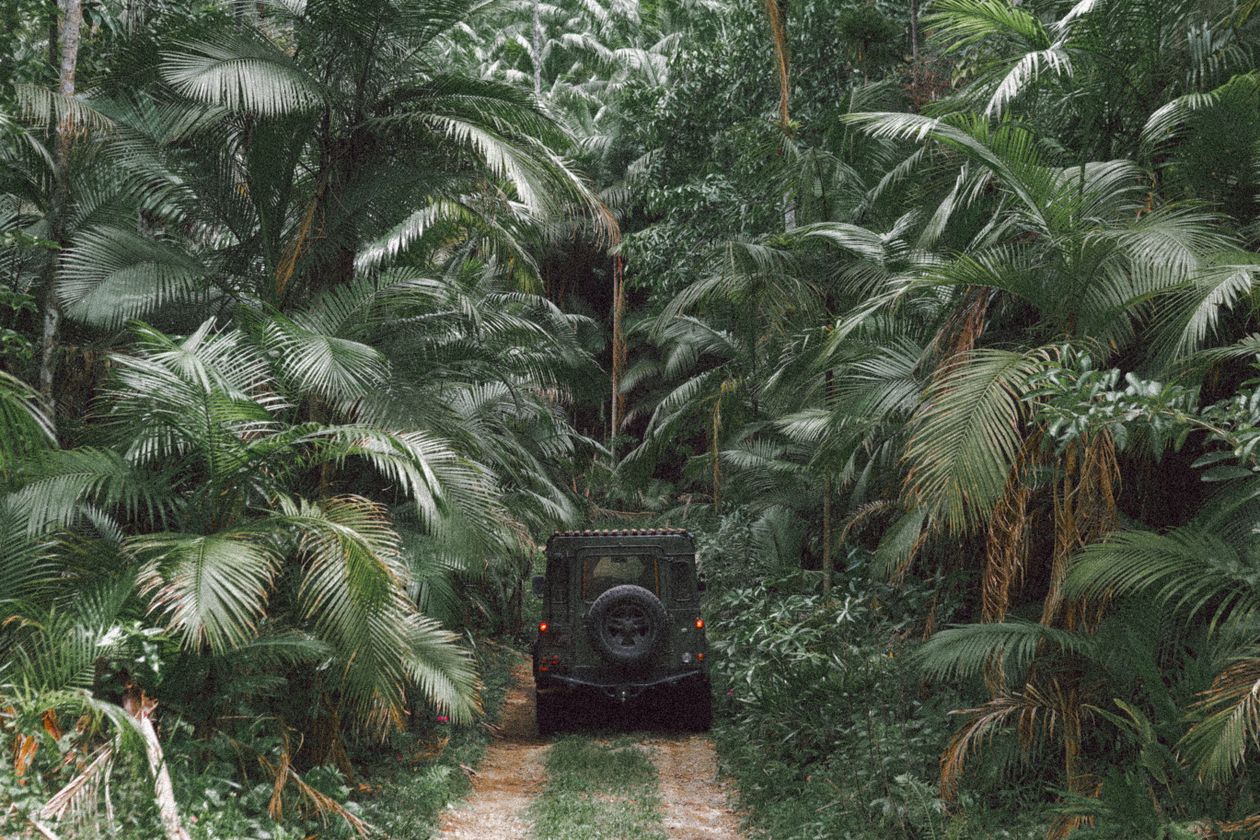
Several of Costa Rica's most popular destinations sit at the end of unpaved roads, which is why high clearance and four-wheel drive matter there. Monteverde, Santa Teresa, Nosara, and the remote Osa Peninsula all involve gravel, mud, or river crossings that a low sedan handles poorly, if at all.
Monteverde is the classic example. The cloud forest town is reached by long sections of unpaved mountain road, and the final approach climbs steep, loose terrain where drivers crawl at low speed. A standard car can technically make it in dry conditions, but the ride is slow and nerve-racking, and one washed-out stretch can stop you cold.
The Nicoya Peninsula beach towns tell a similar story. Santa Teresa, Mal Pais, and the roads linking the southern beaches are notorious for potholes, sand, steep pitches, and seasonal river crossings. The Osa Peninsula, gateway to Corcovado National Park, is more remote still, with genuine river fords that rise fast after rain.
Destinations that typically demand a 4x4:
- Monteverde and Santa Elena (cloud forest)
- Santa Teresa, Mal Pais, and southern Nicoya beaches
- Nosara and nearby Guanacaste backroads
- Osa Peninsula and the Corcovado access roads
- Rincon de la Vieja and other backcountry park entrances
By contrast, La Fortuna and Arenal, most of the central Pacific coast, and the main Guanacaste resort beaches like Tamarindo sit on paved roads. For a fuller picture of how these routes connect, our complete Costa Rica rental guide maps out the common itineraries.
How Does the Rainy Season Change Your Vehicle Needs?
The rainy season tilts the decision firmly toward a 4x4 for any unpaved route. Costa Rica's green season runs from May to November, with a brief drier spell called veranillo, or "little summer," during July and August (Visit Costa Rica). On the Caribbean side the rains barely pause, staying between 100 and 200 mm even in the driest months.
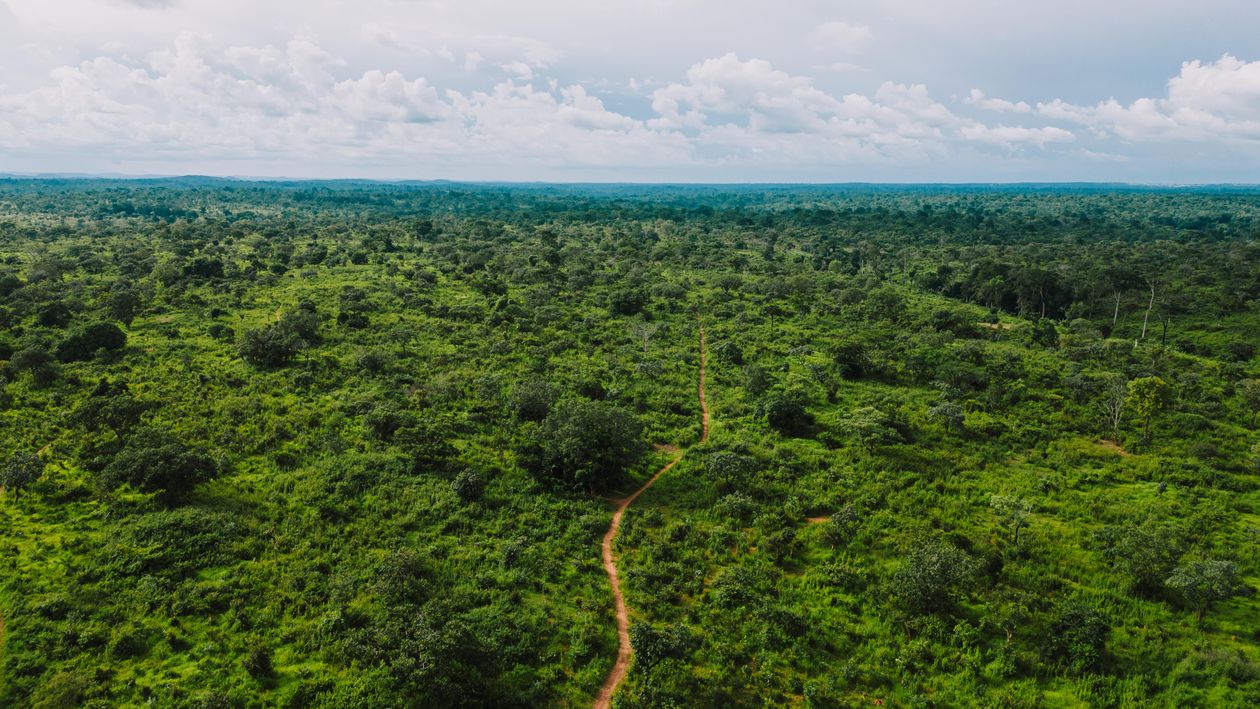
What does that mean on the ground? Dirt roads that are merely bumpy in March can turn to slick, churned mud by September. Rivers that trickle in the dry months rise quickly, and a crossing that looked trivial in the morning can become impassable by afternoon. Four-wheel drive and clearance give you traction and the height to keep water out of the engine.
There is a timing nuance worth knowing. September and October are the wettest stretch on the Pacific side, so a road that a sedan can manage in a dry January is a different animal in a wet October. If your trip falls in the green season and includes even one gravel destination, treat the 4x4 as the safer default rather than a splurge. Wet-weather conditions also make careful driving around speed and right-of-way more important, so slow down well before you reach the rough sections.
What Is the Cost Difference Between a Sedan and an SUV Rental?
A four-wheel-drive SUV almost always rents for more per day than a compact sedan, and the gap widens in high season when demand peaks around the dry months and holidays. Rather than quote a precise premium, which swings with the season and the specific vehicle, think of the 4x4 as a meaningful step up in daily cost that you should only pay for when the roads call for it.
The cost is not only the base rate. Larger vehicles burn more fuel across Costa Rica's hilly terrain, and that adds up over a two-week loop of the country. The sensible approach is to map your itinerary first, then rent the smallest vehicle that handles your roughest road.
A few ways to keep the spend reasonable:
- Book early for green-season trips, when 4x4 availability tightens
- Right-size the vehicle to your itinerary rather than the whole country
- Confirm that the SUV is genuine four-wheel drive, not just a tall two-wheel-drive crossover
- Factor fuel, not just the daily rate, into the comparison
At Altura Rental Cars, based near San Jose Airport, matching travelers to the right vehicle for their actual route is the core of the job, so it is worth describing your full itinerary when you book rather than guessing at the vehicle class yourself.
Honest Advice for First-Time Visitors
For a first visit, the practical rule is to rent a 4x4 if your plans touch any mountain town or remote beach, and a standard car if you are sticking to paved highways and major resort areas. Most first-timers overestimate how much rough driving their itinerary actually involves, then either overpay for capability they never use or underprepare for one unpaved stretch.
Be honest about your comfort level too. Narrow mountain roads, blind curves, and loose gravel are demanding even in a capable vehicle, and they are harder in the rain. If an unpaved destination is only a small part of your trip, consider basing yourself somewhere paved and taking a tour or shuttle for the rough final leg.
One more point that trips up newcomers: a tall vehicle is not automatically a 4x4. Many crossovers look rugged but send power to only two wheels and sit lower than they appear. If a specific road requires four-wheel drive, confirm the drivetrain and ground clearance in writing before you collect the keys.
Your next step is simple. Sketch out the places you actually plan to visit, flag any that appear on the high-clearance list above, and share that itinerary with your rental provider so the vehicle matches the roads. If your route runs from the airport toward the central Pacific, our walkthrough of driving from San Jose Airport to Manuel Antonio shows just how paved and straightforward that particular drive is, which may settle the question for you before you book.
Frequently asked questions
Do you really need a 4x4 to drive in Costa Rica?
Not always. You need a 4x4 for mountain and remote beach destinations with unpaved roads, such as Monteverde or Santa Teresa. For paved routes like San Jose to Manuel Antonio or La Fortuna, a standard car is fine.
Is a 4x4 necessary in Costa Rica during the rainy season?
More often, yes. The green season from May to November brings heavy rain that turns dirt roads to mud and raises river levels. Roads that are marginal in the dry months often require a 4x4 once the rains arrive.
What is the difference between a 4x4 and an SUV in Costa Rica?
Many SUVs are front-wheel drive with normal clearance and do not help much off pavement. For rough roads you want genuine four-wheel drive plus high ground clearance, so confirm both features with the rental company before booking.
Can I drive from San Jose Airport to the beach in a regular car?
Yes for many beaches. Routes to Manuel Antonio, Jaco, and the main Guanacaste beaches are paved and suit a sedan. Remote beaches on the Nicoya and Osa peninsulas are where a 4x4 becomes important.