Costa Rica Driving Laws Every Tourist Should Know
Yes, you can drive in Costa Rica on your home-country license, and for most tourists it stays valid for the entire length of your stay, up to 180 days. The rules that trip up visitors are not about who may drive but about the details: a lower alcohol limit for some drivers, steep fines, Spanish-only signs, and a firm expectation that you never hand cash to an officer. Costa Rica driving laws reward preparation, and a short read now can save you a large penalty later.
This guide walks through the documents you need, the behavior rules behind the wheel, how right-of-way actually works on local roads, and what to do if you get pulled over. If you are picking up a vehicle near San José Airport, knowing these driving rules in Costa Rica before you turn the key makes the whole trip smoother.
Costa Rica driving laws: what documents do tourists need?
Your valid home-country driver's license is enough to drive legally in Costa Rica as a tourist, and a 2024 reform made that clearer than ever. The country ended its old three-month cap and now ties license validity to your passport entry stamp. If immigration admits you for up to 180 days, your foreign license is recognized for that same window (The Tico Times, 2024).
The practical takeaway is simple. Carry both your physical license and your passport every time you drive. Officers may want to confirm your entry date, and the passport stamp is what proves your license is still valid.
A few more points on eligibility. You do not need an International Driving Permit for a normal tourist visit, though carrying one does no harm if your license is not in the Latin alphabet. Most rental companies, including Altura Rental Cars near San José Airport, set a minimum rental age of 21, which is higher than the legal driving age. Check your booking terms so the age requirement does not surprise you at pickup.
What are the seatbelt, phone, and alcohol rules?
Seatbelts are mandatory for every occupant, handheld phone use while driving is prohibited, and Costa Rica enforces a stricter blood alcohol limit for new and professional drivers than for the general public. These three rules account for a large share of tourist citations, and the fines attached to them are not trivial.
Costa Rica uses a tiered alcohol system. Drivers licensed for a short time and professional drivers face a tighter threshold than everyone else, so a drink that might be legal for a seasoned local driver could put a new driver over the line. The simplest rule for a visitor is to treat it as zero: if you plan to drive, do not drink.
Phone use and seatbelt violations each carry fines heavy enough to sting, running into tens of thousands of colones for a single infraction (CostaRicaLaw.com). Mount your phone for navigation before you pull out, and buckle up every passenger, including those in the back seat. A few seconds of preparation removes the temptation to reach for a ringing phone.
One habit worth building: keep speed in mind constantly. Enforcement on highways and rural routes is active, and speeding sits in the most expensive fine categories alongside drunk driving.
How does right-of-way and road signage work?
Costa Rica drives on the right, uses the metric system, and posts all signs in Spanish, so the mechanics feel familiar to North American drivers while the details differ. A red octagon still means stop, but it reads "ALTO," and speed limits are in kilometers per hour, not miles.
Right-of-way customs lean on courtesy and caution rather than strict assumption. At many intersections, especially on rural roads, do not assume oncoming or crossing traffic will yield simply because you have the technical right of way. Make eye contact, slow down, and confirm the other driver sees you before you proceed. Defensive driving is the local norm, not an overreaction.
Learn a handful of key signs before you leave the lot. "Ceda el paso" means yield, "no adelantar" means no passing, and "despacio" means slow down. One-lane bridges are common outside the city, and a sign there tells one direction to yield to the other. When in doubt, the safer move is to wait.
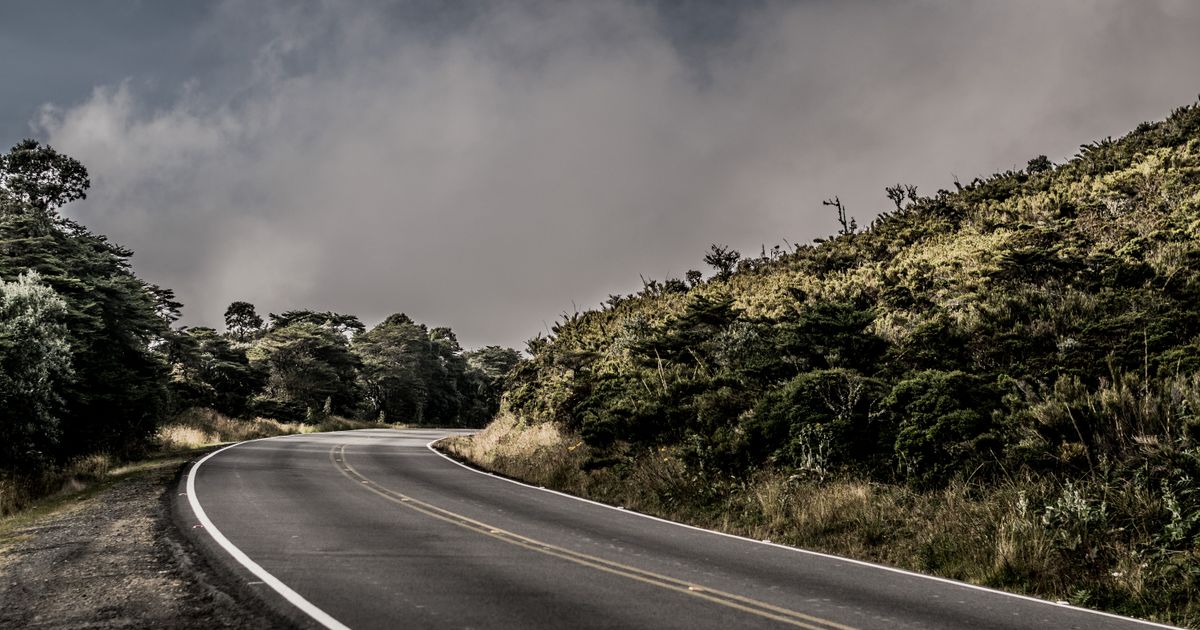
Road conditions vary widely. A smooth highway can turn into a potholed single lane within a few kilometers, and heavy rain can wash out unpaved sections fast. Build in extra time and keep your speed conservative where the surface is uncertain.
What should you do if police stop you?
Pull over safely, stay calm, and hand the officer your license and passport. Costa Rica's traffic police, the Tránsito, run roadblocks and roadside checks as routine practice, so a stop does not mean you are in serious trouble. How you handle it matters more than the stop itself.
The single most important rule is this: never offer money to an officer. Attempting to pay a bribe is illegal and is prosecuted. Legitimate fines are never collected in cash on the roadside. If you are cited, you pay later at an authorized bank or online, and your rental company can help you handle the process.
If you receive a citation, accept it without arguing and keep the paperwork. Fines in Costa Rica are steep by regional standards, and a single violation can cost far more than visitors expect, a point local reporting has highlighted on how heavily these penalties land (The Tico Times, 2026). Arguing roadside rarely helps and can escalate a simple stop.
In the event of an accident, do not move the vehicles until traffic police and the insurance investigator have documented the scene. Moving the cars first can complicate your claim. Call your rental provider and the authorities, then wait.
What mistakes do foreign drivers make most?
The most common tourist errors are assuming right-of-way works like home, underestimating travel time, driving without the passport, and treating speed limits as suggestions. Each one is easy to avoid once you know it, and together they cause the bulk of avoidable fines and fender benders.
Underestimating distance is the quiet trap. A route that looks like an hour on a map can take two or three because of mountain roads, construction, and weather. Leaving the passport in the hotel safe is another frequent slip, since officers expect to see it with your license.
Here are the mistakes worth guarding against:
- Assuming other drivers will yield instead of confirming it first
- Planning a tight schedule that ignores slow rural roads and rain delays
- Leaving your passport behind when you only bring your license
- Ignoring speed limits, which carry some of the highest fines
- Reaching for a handheld phone instead of mounting it before driving
- Driving after any alcohol, given the stricter limit for newer drivers
Renting from a provider that briefs you on local conditions reduces these risks further. When you pick up a car with Altura Rental Cars near San José Airport, ask about current road closures and the fine-payment process so nothing catches you off guard mid-trip.
Before you set out, do two quick things: confirm your license and passport are both in the car, and set your navigation while parked. Those two habits prevent the two problems most likely to interrupt an otherwise easy Costa Rican road trip.
Frequently asked questions
Do I need an International Driving Permit to drive in Costa Rica?
No. Tourists can drive on a valid home-country license for the length of their authorized stay. Carry your passport too, since officers may ask to see your entry stamp.
How long can I drive on my foreign license in Costa Rica?
A 2024 reform tied license validity to your immigration stamp. If you are admitted for up to 180 days as a tourist, your foreign license is valid for that same period.
What is the blood alcohol limit for drivers in Costa Rica?
Costa Rica applies a stricter blood alcohol threshold to new drivers and professional drivers than to other motorists. The safest approach is to not drink at all before driving.
What should I do if a Costa Rica traffic officer stops me?
Stay calm, pull over safely, and hand over your license and passport. Accept any citation without arguing, and never offer cash. Legitimate fines are paid at a bank or online.
Which side of the road does Costa Rica drive on?
Costa Rica drives on the right, like the United States and Canada. Speed limits and road signs use the metric system and are written in Spanish.